Обзор решения
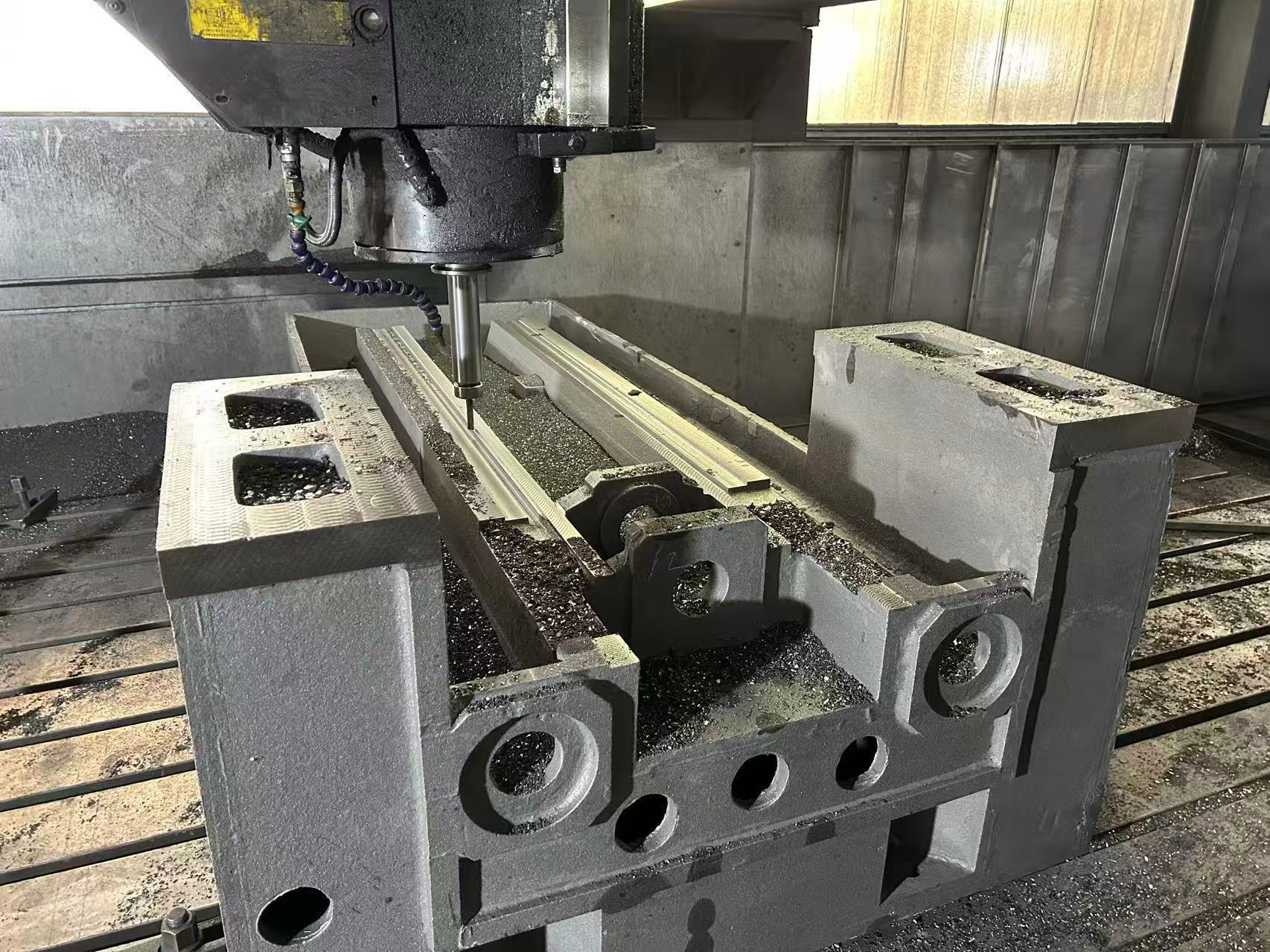
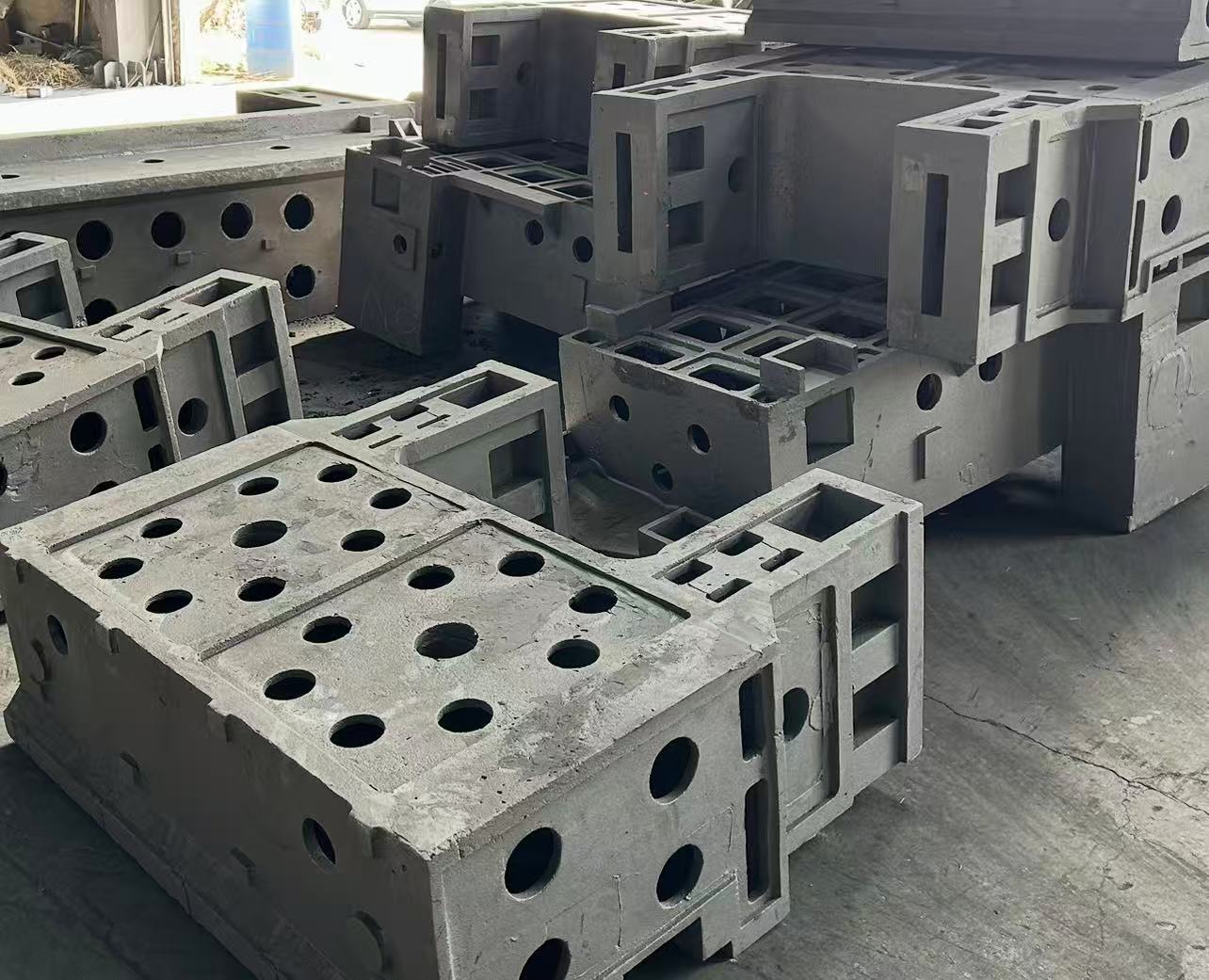
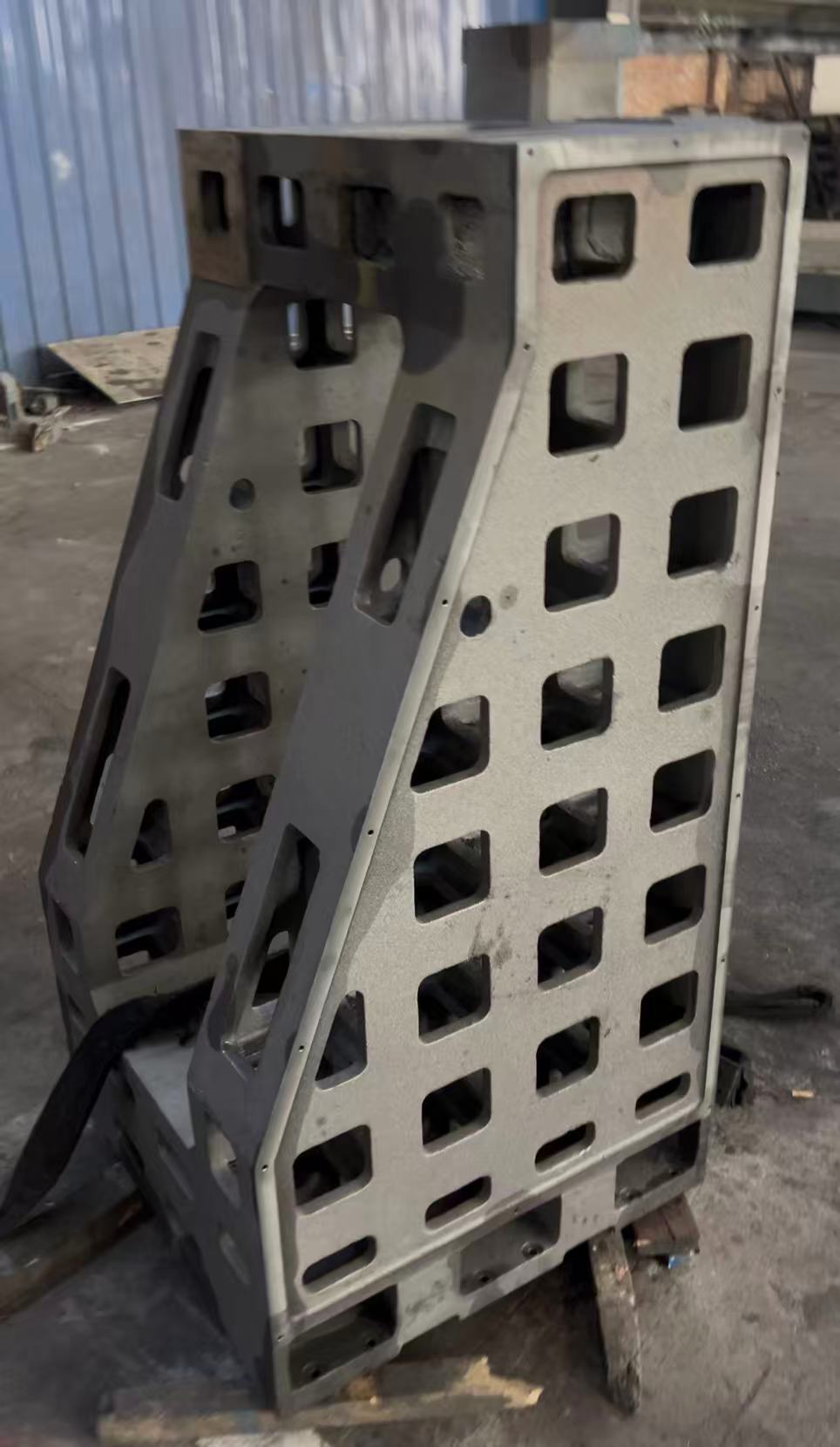
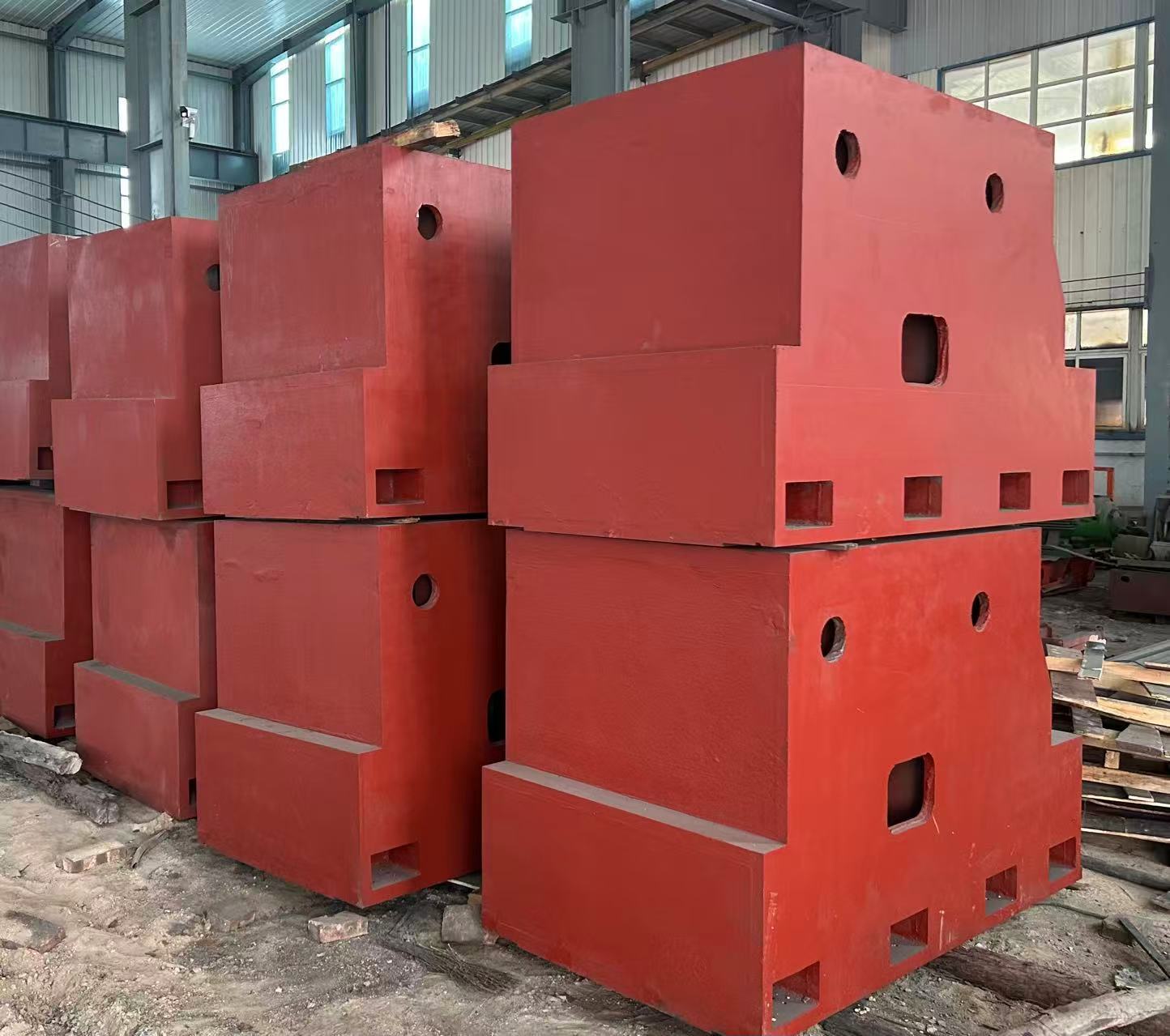
This cast iron machine tool housing and base assembly is specifically designed for CNC lathes, vertical/horizontal machining centers, gantry milling machines, gear processing machines, and other equipment. With “synergistic adaptation of machine tool housing – base assembly + high-rigidity cast iron material + precision manufacturing process” as the core, it overcomes the four major pain points of traditional components: “insufficient housing rigidity leading to transmission errors, poor sealing resulting in easy oil leakage, insufficient base load-bearing capacity causing settlement, and difficulty in leveling affecting precision”.
High-quality materials are carefully selected, including QT500-7/QT600-3 ductile iron (the main material for housings) and HT300-HT400 gray cast iron (for conventional bases). Through processes such as “CNC boring and milling + precision grinding + aging strengthening”, the tolerance of the housing bearing holes reaches H7, the sealing grade is IP65, the base load-bearing capacity is 15-100 tons, the leveling accuracy is ±0.001mm/m, and the long-term operation precision attenuation rate of the entire set of components is ≤0.05% per year.
It covers industries such as general machinery, auto parts, precision molds, and aerospace. It helps to improve the machine tool transmission precision by 40%, reduce the oil leakage failure rate by 80%, and shorten the equipment installation cycle by 35%.
Core Function System (Focusing on the Synergistic Adaptation of “Housing – Base”)
1. Преимущества чугунных материалов и эксклюзивные технологии
- Иерархический подбор материалов (с учётом функциональных различий компонентов):
◦ Корпусы станков (преимущественно ковкий чугун QT500-7/QT600-3): предел прочности при растяжении — ≥500 МПа (для QT500-7) / 600 МПа (для QT600-3), удлинение — ≥7% / 3%, а ударная вязкость в 2–3 раза выше, чем у серого чугуна. Обладает отличной усталостной прочностью (способен выдерживать 10⁶ циклов воздействия), поэтому подходит для таких узлов, как шпиндельные корпуса и коробки передач, где требуется размещение элементов трансмиссии. Шероховатость внутренней поверхности — Ra≤1,6 мкм, что снижает сопротивление смазочного масла и предотвращает образование отложений. Для специальных высокотемпературных условий (например, при работе на высоких скоростях шпинделя) можно выбрать серый чугун HT400 (твердость 200–260 HB, отличная теплопроводность).
◦ Основания станков (серый чугун HT300–HT400 / ковкий чугун QT500-7): для обычных нагрузок (15–50 тонн) применяется HT300–HT400 (коэффициент амортизации в 3–5 раз выше, чем у стали, эффективно гасит вибрации оборудования). Для тяжёлых нагрузок (50–100 тонн) выбирается QT500-7 (обладает высокой стойкостью к осадке, долгосрочная деформация под нагрузкой — ≤0,003 мм/м). В нижней части основания предусмотрены регулировочные отверстия и пазы для амортизации, что обеспечивает адаптацию к различным типам грунтов.
- Эксклюзивные технологии производства (обеспечивающие точность и стабильность):
◦ Machine Tool Housings: The “resin sand molding + lost foam casting” process (for complex housings) is adopted to reduce internal air holes (defect rate ≤0.3%). The bearing holes and gear installation positions undergo “rough boring – semi-finish boring – finish boring – honing” processing, with a hole diameter tolerance of H7 and a roundness of ≤0.002mm, ensuring the coaxiality of transmission components (spindles, gears). The sealing surface is precision ground (Ra≤0.8μm) to improve the sealing fit.
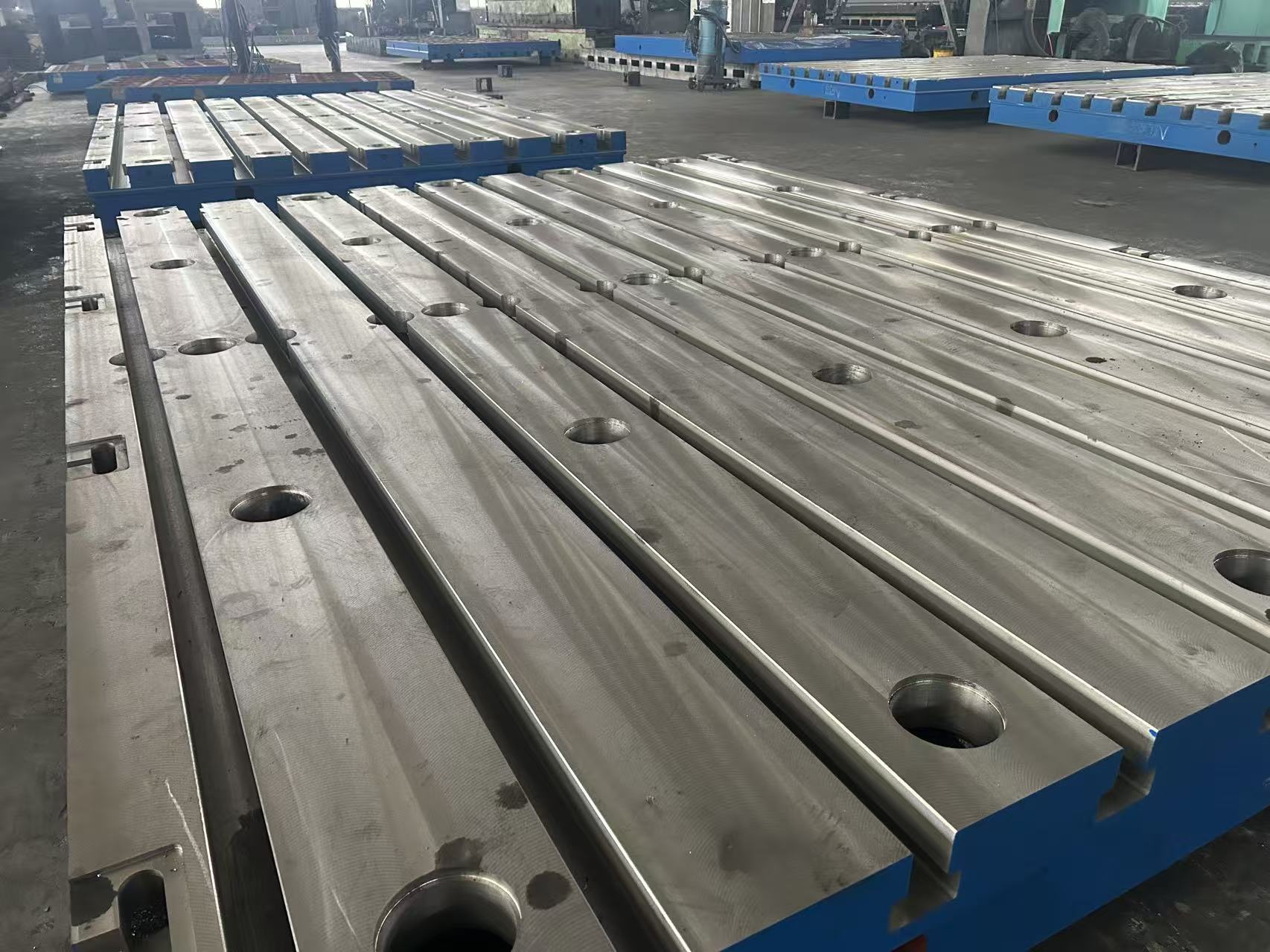
◦ Основания станков: после 60–90 дней естественного старения и двух этапов искусственного старения (выдержка при температуре 550–600 °C в течение 8 часов) устраняется более 99% внутренних напряжений, что исключает прогибы основания вследствие снятия напряжений при длительной эксплуатации (деформация за 10 лет — ≤0,01 мм/м). Рабочая поверхность подвергается “финишной фрезеровке и шлифовке”, с плоскостностью ≤0,008 мм/1000 мм, что обеспечивает точность совмещения с корпусом.
2. Корпусы станков: защита трансмиссии и обеспечение точности
(1) Высокоструктурная жёсткая конструкция (устойчивая к ударным нагрузкам при передаче)
- Оптимизация толщины стенок корпуса и усиления ребрами: толщина стенок (15–30 мм) подбирается в зависимости от мощности передачи. В тяжелых корпусах, например, для шпинделей, применяется конструкция “двойные стенки + крестообразные ребра жесткости” (шаг между ребрами 150–300 мм). Например, для корпуса шпинделя станка с ЧПУ размером 800×600×500 мм жесткость на изгиб повышается на 70%, а амплитуда вибрации корпуса при работе шпинделя на высоких оборотах (15 000 об/мин) составляет ≤0,002 мм, что исключает изменения зазоров зацепления зубчатых передач (погрешность ≤0,001 мм).
- Local Strengthening Treatment: The periphery of bearing holes and gear installation bosses undergo “local thickening + quenching” (hardness 45-50HRC) to improve local load-bearing capacity and avoid hole deformation caused by long-term stress (bearing hole service life ≥50,000 hours).
(2) Точный дизайн уплотнений и контроля масла (предотвращение утечек)
- Многослойная структура уплотнений: на торце вылета шпинделя применяется двойная защита — “губчатое уплотнение + лабиринтное уплотнение”, степень защиты IP65, что предотвращает попадание смазочной жидкости и пыли и снижает вероятность утечек масла с 25% (традиционный уровень) до менее чем 5%. На соединительных поверхностях корпуса используются маслостойкие асбестовые прокладки и герметик (рабочий температурный диапазон −30℃~150℃), обеспечивая полную герметичность стыков.
- Контроль масла и адаптация к отводу тепла: в корпусе предусмотрены каналы для смазочного масла (диаметр отверстий 8–15 мм), обеспечивающие подключение к системе автоматической смазки и точную подачу масла к зубчатым передачам и подшипникам. В крупногабаритных корпусах (например, в корпусах шпинделей портальных фрезерных станков) интегрируются ребра охлаждения (площадь теплоотвода ≥ 1,5 площади поверхности корпуса) либо предусматриваются каналы для подачи охлаждающей воды (диаметр отверстий 10–20 мм), что позволяет предотвратить чрезмерный рост температуры смазочного масла (температура масла поддерживается на уровне ≤60℃), влияющий на его вязкость.
(3) Адаптация к элементам трансмиссии (точная установка)
- Точная обработка посадочных мест: допуск отверстий под подшипники — H7, круглость — ≤0,002 мм, коаксиальность — ≤0,003 мм (для многоподшипниковых отверстий), что гарантирует точную установку шпиндельных подшипников (например, радиально-упорных шарикоподшипников), а радиальное биение шпинделя составляет ≤0,001 мм. Допуск отверстия под вал шестерни — js6, зазор в посадке с валом шестерни — ≤0,005 мм, что снижает ударные нагрузки и уровень шума (шум ≤75 дБ).
- Оптимизация внутреннего пространства: внутренняя полость проектируется с учетом компоновки трансмиссионной системы (шпиндель, шестерни, муфта) и предусматривается пространство для обслуживания (не менее 150 мм), облегчающее разборку и сборку узлов. В крупных корпусах устанавливаются смотровые окна (закалённое стекло с герметичной крышкой), позволяющие в режиме реального времени контролировать состояние внутренней трансмиссии и сокращать время простоя для проведения проверок.
3. Базовые сборки: комплексная опора и стабильная адаптация
(1) Конструкция, рассчитанная на различные виды нагрузок и выравнивание
- Оптимизация несущей конструкции: обычные основания имеют конструкцию “коробчатая основная структура + решетчатые ребра” (шаг между ребрами 200–400 мм), рассчитанные на нагрузку 15–50 тонн. Тяжелые основания (например, для 10‑метровых токарных станков с ЧПУ) выполнены по схеме “коробчатая структура + плотные сотовые ребра”, способные выдерживать 50–100 тонн, при этом долгосрочная осадка под нагрузкой составляет не более 0,005 мм в год.
- Гибкие методы выравнивания:
◦ Регулируемые чугунные основания: оснащены чугунными регулирующими подкладками (диапазон регулировки 0–20 мм, несущая способность до 25 тонн на комплект), фиксируются болтами; точность выравнивания ±0,001 мм/м, подходят для цехов с обычной ровностью пола (прочность бетона не менее C25).
◦ Амортизирующие выравнивающие основания: для высокоточных станков (например, координатно-расточных станков) в нижней части устанавливаются воздушно‑пружинные амортизационные модули (эффективность амортизации ≥90% при частоте колебаний 1–3 Гц), изолирующие вибрации от пола (например, от работы другого оборудования в цеху) и обеспечивающие точность обработки станка (повторная погрешность позиционирования ≤0,002 мм).
◦ Встроенные стационарные основания: тяжёлые станки (например, портальные фрезерные станки) комплектуются встроенными основаниями, которые крепятся к бетонному полу (марки C30 и выше) анкерными болтами (M30–M60), что повышает общую устойчивость и предотвращает смещение станка (смещение ≤0,001 мм в год).
(2) Точное позиционирование в сочетании с корпусом
- Конструкция позиционирования: на верхней части основания предусмотрены отверстия для定位ирующих штифтов (допуск H7), совпадающие с пазами в нижней части корпуса; погрешность позиционирования ≤0,005 мм, что обеспечивает соосность корпуса и основания (≤0,003 мм на 1000 мм) и исключает передаточные ошибки, вызванные отклонениями при сборке.
- Защита и адаптация к расширению: по периметру основания предусмотрены пазы для установки ограждений (обеспечивающих безопасность), а также резервируются接口ы для чип-конвейеров (сечение 150×200 мм–300×400 мм), что облегчает интеграцию системы удаления стружки станка. На некоторых основаниях устанавливаются подъёмные отверстия (нагрузка на одно отверстие ≤1,5 массы основания), что упрощает общую транспортировку и монтаж оборудования.
Основной состав системы
| Категория компонентов |
Основные параметры и комплектация (усиленные синергетические характеристики) |
| Чугунные корпуса станков |
Материал: ковкий чугун QT500‑7/QT600‑3, серый чугун HT400; Размеры: длина 500–2000 мм, ширина 400–1500 мм, высота 300–1200 мм; Точность: допуск отверстий под подшипники H7, круглость ≤0,002 мм, соосность ≤0,003 мм; Уплотнение: степень защиты IP65, комбинация губчатого уплотнения и лабиринтного уплотнения; Конструкция: двойные стенки коробки/ребра жесткости, каналы для смазки, опциональные ребра теплоотвода. |
| Сборки чугунных оснований |
Материал: серый чугун HT300–HT400, ковкий чугун QT500‑7; Тип: регулируемое чугунное основание / амортизирующее выравнивающее основание / встроенное основание; Размеры: длина 1500–10000 мм, ширина 800–5000 мм, высота 300–1000 мм; Точность: плоскостность установочной поверхности ≤0,008 мм на 1000 мм, точность выравнивания ±0,001 мм/м; Несущая способность: 15–100 тонн (на комплект). |
| Вспомогательные аксессуары |
Oil-resistant seals (material: nitrile rubber/fluororubber, temperature resistance -30℃~200℃); Cast iron leveling pad irons (adjustment range 0-20mm, load-bearing ≤25 tons per set); Air spring shock absorption modules (shock absorption efficiency ≥90%, load-bearing ≤50 tons per set); Anchor bolts (M30-M60, Grade 10.9, adapting to embedded installation) |
Типичные отраслевые случаи применения
- Vertical Machining Center Spindle Housing + Base: Used by a machine tool factory for 850-type vertical machining centers —— The spindle housing is made of QT500-7 material (size 800×600×500mm), with a bearing hole tolerance of H7 and a sealing grade of IP65; it is matched with an HT400 shock absorption base (2000×1500×800mm) with a leveling accuracy of ±0.001mm/m. When the spindle runs at 15000rpm, the vibration amplitude is ≤0.002mm, the hole position tolerance of processed molds is reduced from ±0.008mm to ±0.003mm, the oil leakage failure rate is reduced from 20% to 3%, and the equipment maintenance cycle is extended by 2 times.
- Основание и корпус шпинделя тяжёлого 10‑метрового токарного станка с ЧПУ: применяется предприятием тяжёлой промышленности для токарных станков с ЧПУ диаметром 2000 мм — корпус шпинделя изготовлен из QT600‑3 (устойчивость к ударным нагрузкам ≥500 кН), а основание представляет собой вмонтированное основание из QT500‑7 (10 000×3 000×1 000 мм) с несущей способностью 100 тонн. При обработке шпинделей для ветроэнергетики (диаметр 1800 мм) радиальное биение шпинделя составляет ≤0,001 мм, цилиндричность улучшена с ±0,015 мм до ±0,005 мм, годовая осадка основания не превышает 0,005 мм, а срок сохранения точности станка продлён с 1 года до 4 лет.
- Precision Gear Processing Machine Housing: Used by a gear factory for gear hobbing machines —— The housing is made of QT500-7 (size 600×500×400mm), the gear installation shaft hole tolerance is js6, and the coaxiality is ≤0.003mm. When processing precision gears (module 5, precision grade 6), the cumulative pitch error is reduced from ±0.012mm to ±0.005mm, the transmission noise is reduced from 85dB to 72dB, and the gear qualification rate is increased by 35%.
Основные конкурентные преимущества
- High Synergistic Precision of “Housing – Base”: The base and housing are precisely matched through positioning pins (error ≤0.005mm), avoiding transmission errors caused by assembly deviations, which is far better than the splicing structure of “purchased housing + general base” (deviation ≥0.01mm), ensuring the stable overall precision of the machine tool.
- Высокая защита трансмиссии благодаря корпусу: материал из ковкого чугуна обладает усталостной прочностью, высокоточная герметизация предотвращает утечки, а отверстия под подшипники точно согласованы с деталями трансмиссии. Погрешность передачи снижается на 40%, а частота отказов из‑за утечек масла уменьшается на 80%, решая ключевые проблемы традиционных корпусов — неточность передачи и склонность к утечкам масла.
- Гибкая несущая способность и выравнивание основания: различные типы оснований адаптируются к различным несущим возможностям (15–100 тонн) и условиям грунта, с точностью выравнивания ±0,001 мм/м и осадкой при нагрузке не более 0,005 мм в год. Стабильность в 3 раза выше, чем у сварных оснований (недостаточная несущая способность и склонность к деформации).
- Отличные экономические и эксплуатационные преимущества: стоимость закупки чугунных материалов на 20% ниже, чем у стали, а интегрированное производство сокращает количество операций сборки. Корпус обладает хорошей герметичностью, а основание не требует частого выравнивания; ежегодные затраты на обслуживание составляют менее трети от расходов на сварные компоненты, а совокупная стоимость жизненного цикла ниже на 40%.
- Wide Customization Adaptability: It supports the customization of housing size (500-2000mm), number of bearing holes, and sealing grade, as well as the customization of base load-bearing (15-100 tons) and leveling method. The structure can be optimized according to the machine tool model (such as FANUC/SIEMENS system), adapting to more than 95% of machine tool needs.
Полнофункциональные услуги по кастомизации
- Настройка параметров компонентов:
◦ Корпуса станков: размеры 500–2000 мм (длина × ширина × высота), количество посадочных отверстий под подшипники (1–6), степень защиты (IP54–IP67), компоновка каналов смазки, адаптация к различным системам передачи.
◦ Основания сборочные узлы: размеры 1500–10000 мм (длина × ширина × высота), несущая способность 15–100 тонн, метод выравнивания (подкладки из чугуна / амортизация / встраивание), адаптация к различным массам станков и состоянию основания.
- Настройка материалов и технологий:
◦ Выбор материалов: для корпуса обычно выбирают материал QT500‑7, для тяжёлых нагрузок — QT600‑3, а для условий высоких температур — HT400; для оснований чаще всего применяют HT300–HT400, а для больших нагрузок — QT500‑7.
◦ Усовершенствование технологических процессов: хонингование посадочных отверстий под подшипники в корпусе (Ra≤0,4 мкм), поверхностная закалка (твердость 45–50 HRC); сверхдлительная термообработка основания (90–120 дней), прецизионная шлифовка установочной поверхности.
- Настройка вспомогательных услуг:
◦ Монтаж и наладка: позиционирование и сборка корпуса и основания, точечная проверка посадочных отверстий под подшипники, выравнивание основания, обеспечение соответствия всей комплектации требованиям координации системы передачи станка;